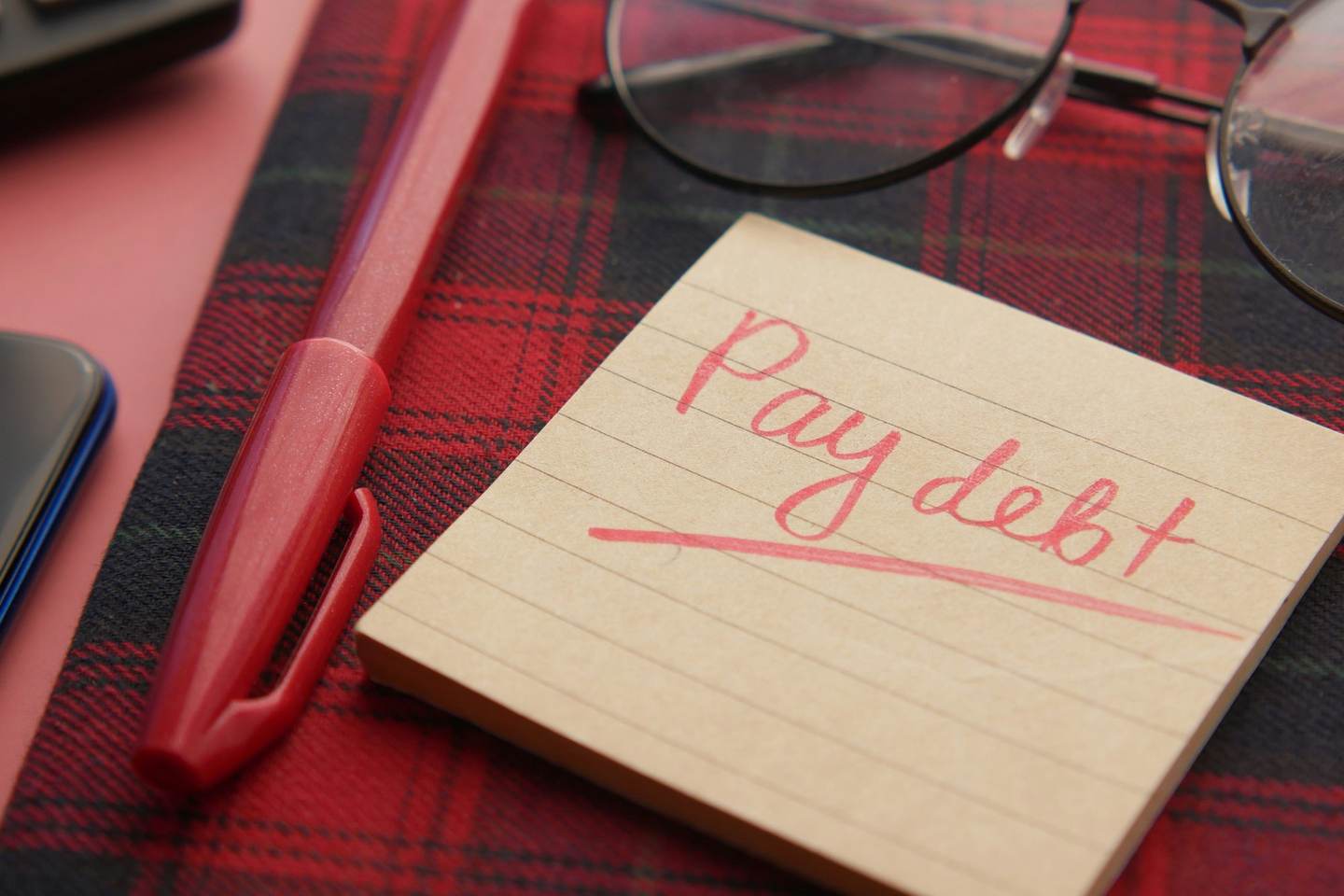
Unpaid debts can put real pressure on a business or individual's finances. We help clients recover what they're owed, using a proportionate approach — starting with formal demand letters and escalating to court action only when necessary.
For businesses facing repeat late payment issues, we can also help put processes in place to reduce the problem going forward.
We understand that chasing unpaid debts can be time-consuming and frustrating, particularly for small businesses. Our aim is to recover what's owed as efficiently as possible, without unnecessary escalation.
Services Within Debt Recovery
Understanding Debt Recovery
Debt recovery typically begins with a formal letter before action, which sets out the amount owed and gives the debtor a final opportunity to pay before further steps are taken. This step is often enough to prompt payment, particularly where the debtor has simply overlooked the invoice.
If payment still isn't made, the next step is usually County Court proceedings, which can lead to a County Court Judgment if the claim is undefended or successful. Once a judgment is obtained, there are several enforcement options available depending on the debtor's circumstances.
For debts owed by companies, a statutory demand can be a powerful tool, as an unpaid statutory demand can be used as grounds for winding-up proceedings. This is a serious step that needs to be handled carefully and correctly to be effective.
Our Process
Frequently Asked Questions
Usually a formal letter before action, which sets out what's owed and gives the debtor a chance to pay before further steps are taken.
We can advise on issuing County Court proceedings and, once judgment is obtained, on enforcement options.
It depends on the amount, the debtor's ability to pay, and the likely costs involved — we'll give you a realistic view before you commit.
It's a court order confirming a debtor owes you money. If they still don't pay, it opens up further enforcement options.
In many cases, yes, particularly for straightforward claims — we'll explain the likely cost position before you proceed.
We can advise on the best approach, including whether a statutory demand or other insolvency-related step is appropriate.
Trusted, local and regulated
Speak to a solicitor about your case today.
Contact UsSRA No. 463069
Company No. 05925291
Registered office: Spaces, 83-85 Baker Street, London, W1U 6AG
Saturday – Sunday: Closed